Thinking From Our Practitioners.
Perspectives on AI, cloud strategy, data platforms, and domain-specific technology challenges, written by the engineers and architects who do the work.


Applicant Tracking System Development: A Practical Guide for Enterprises
Recruitment teams manage a large amount of information throughout the hiring process. Job requirements, candidate applications, resumes, interview feedback, assessments, recruiter activity, communications, and hiring decisions all need to move through an organised workflow.

Kubernetes & Container Orchestration: A Practical Guide for Enterprises
Enterprise applications are increasingly built as collections of services rather than as one large application. These services may run in different environments, require different resources, and need to scale at different rates.
Vector Databases & Retrieval: A Practical Guide for Enterprise AI
Enterprise organisations have more information than ever, but finding the right information at the right time remains difficult. Documents, emails, knowledge bases, product information, support records, and internal applications often store information across disconnected systems. Traditional keyword search can find exact words, but it may struggle when employees search using different terminology or ask questions in natural language.

Route Optimisation for Logistics: A Practical Guide for Enterprises
For logistics and transportation businesses, deciding how vehicles should move between multiple locations is more complicated than simply choosing the shortest route. A delivery operation may need to account for traffic, delivery windows, vehicle capacity, driver availability, fuel costs, road restrictions, customer priorities, and changing conditions throughout the day. When these factors are managed manually or through basic mapping tools, planning can become inefficient as operations scale.

AI-Powered Fraud Detection in Finance: A Practical Guide for Enterprises
Financial fraud is becoming harder to identify using traditional rules alone. Enterprises process enormous volumes of payments, account activity, transactions, claims, and customer interactions. At the same time, fraud patterns can change quickly, making yesterday's detection rules less effective against today's behavior.
How to Choose the Right SaaS Product Development Company in 2026
Building a SaaS product is not simply a matter of developing an application and putting it in the cloud. A successful SaaS platform needs a clear product strategy, reliable architecture, intuitive user experience, strong security, scalable infrastructure, and continuous improvement after launch.

5 Signs Your Business Needs IT Staff Augmentation Instead of Outsourcing
Technology teams are under increasing pressure to deliver projects faster while managing changing business requirements, limited internal resources, and specialized skill gaps. When organizations need additional technical capacity, two common options are IT staff augmentation and outsourcing.
Data Governance Strategy in 2026: Key Trends Every Enterprise Should Know
Enterprise data has become a critical business asset. Organizations use data to improve customer experiences, optimize operations, support artificial intelligence initiatives, manage risk, and make strategic decisions. But as data volumes and sources continue to grow, managing that data consistently has become increasingly difficult.
The Future of Digital Twin Manufacturing: Trends Manufacturers Should Watch in 2026
Manufacturing is becoming increasingly connected, data-driven, and automated. As manufacturers look for better ways to improve productivity, reduce equipment downtime, optimize production, and make faster operational decisions, digital twin manufacturing is emerging as an important technology strategy.

10 Common SOC 2 Compliance Mistakes SaaS Companies Should Avoid
For SaaS companies, SOC 2 compliance is more than a certification exercise. It demonstrates that a business has established appropriate controls for protecting customer data, managing security risks, and operating reliable systems. As enterprise customers increasingly evaluate the security practices of their SaaS vendors, SOC 2 can also influence purchasing decisions and customer trust.
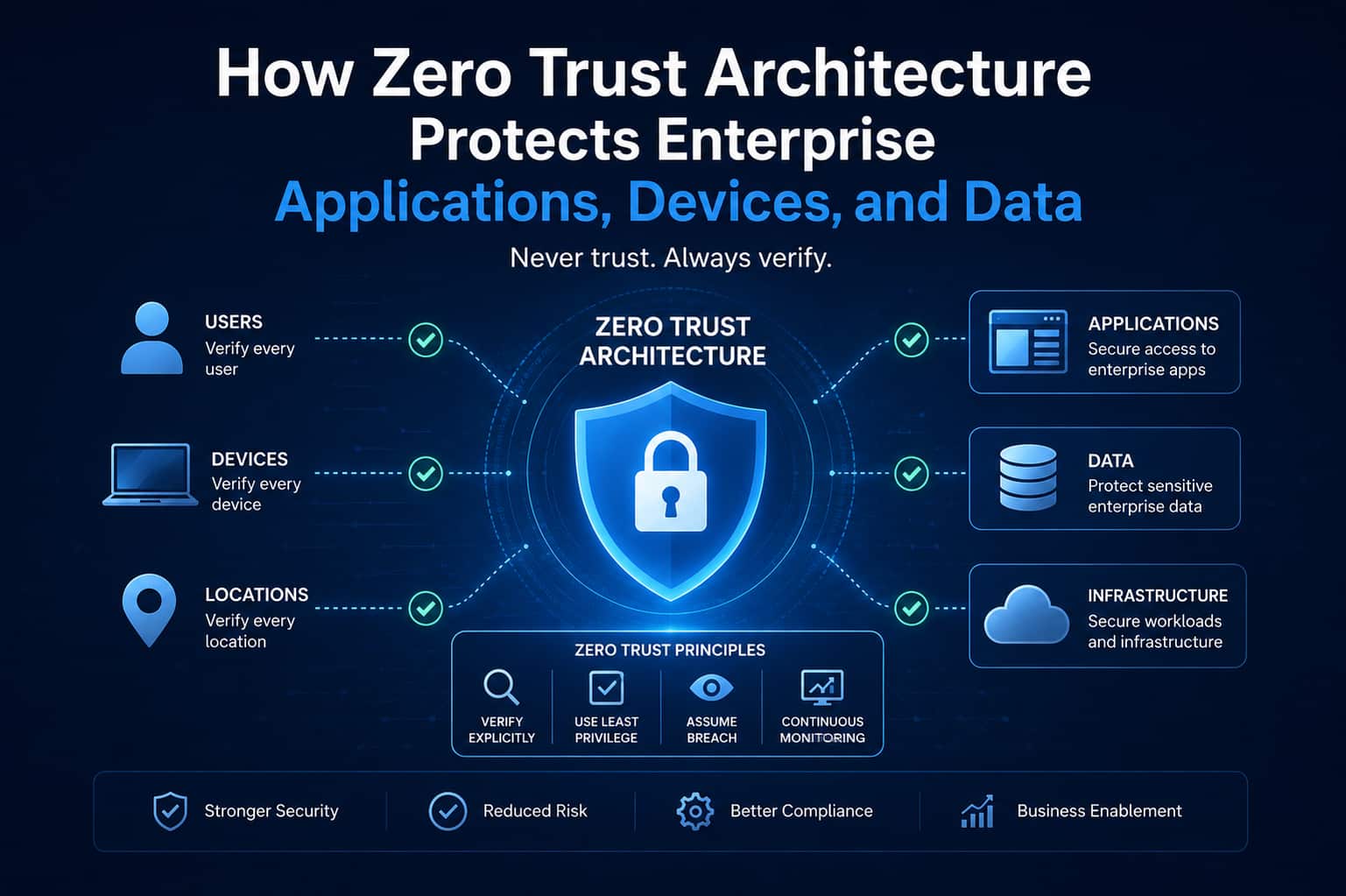
How Zero Trust Architecture Protects Enterprise Applications, Devices, and Data
Enterprise IT environments have changed significantly. Applications now run across cloud and hybrid environments, employees work remotely, SaaS platforms are part of daily operations, and business systems increasingly depend on APIs and connected devices. This distributed environment creates a challenge for traditional security models. Simply placing a security boundary around the corporate network is no longer enough when users, applications, devices, and data can exist across multiple environments.
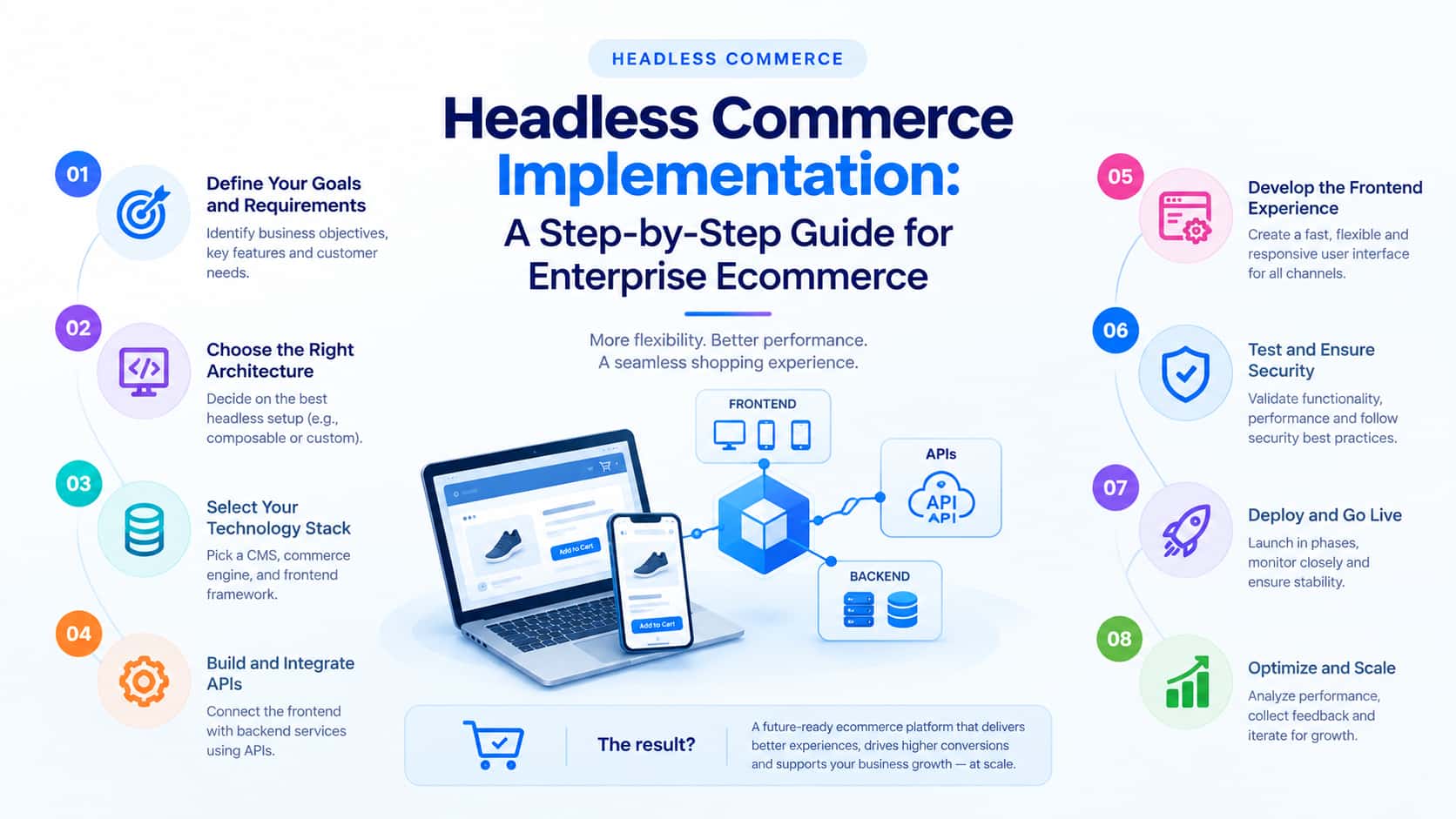
Headless Commerce Implementation: A Step-by-Step Guide for Enterprise Ecommerce
Enterprise ecommerce is becoming increasingly complex. Businesses may need to support websites, mobile applications, B2B portals, marketplaces, regional storefronts, social commerce, and other digital touchpoints—all while maintaining consistent product, customer, pricing, and order experiences. For some organizations, traditional ecommerce platforms can become restrictive as these requirements grow. Slow frontend changes, tightly coupled systems, difficult integrations, and limited flexibility can make it harder for digital teams to respond quickly.
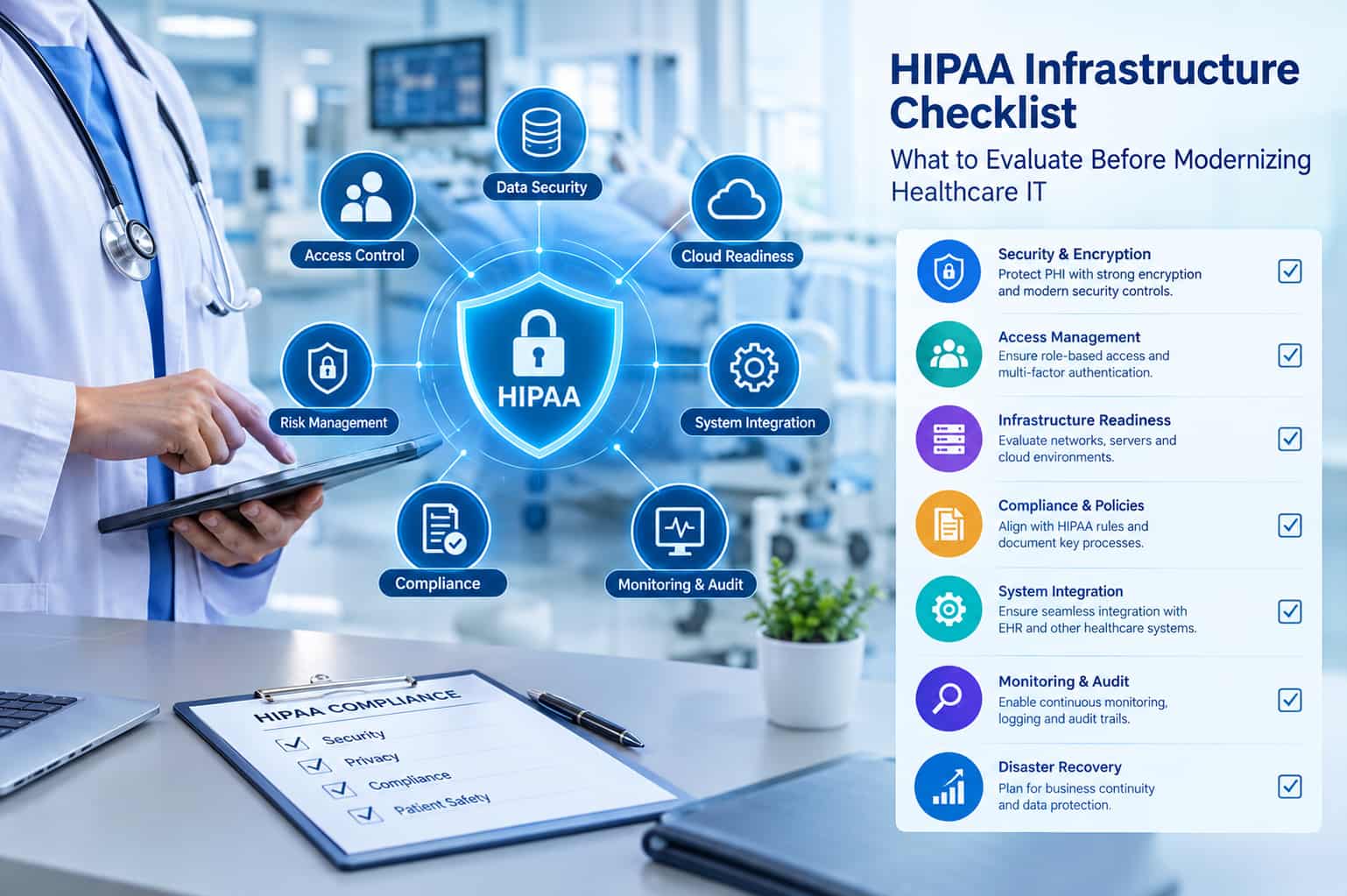
HIPAA Infrastructure Checklist: What to Evaluate Before Modernizing Healthcare IT
Modernizing healthcare IT infrastructure is no longer simply an infrastructure upgrade. Healthcare organizations need technology environments that can support digital applications, connected devices, cloud services, remote access, analytics, and interoperability while protecting sensitive patient information. For organizations handling Protected Health Information (PHI), infrastructure decisions also need to account for security, privacy, availability, access control, monitoring, and regulatory obligations.
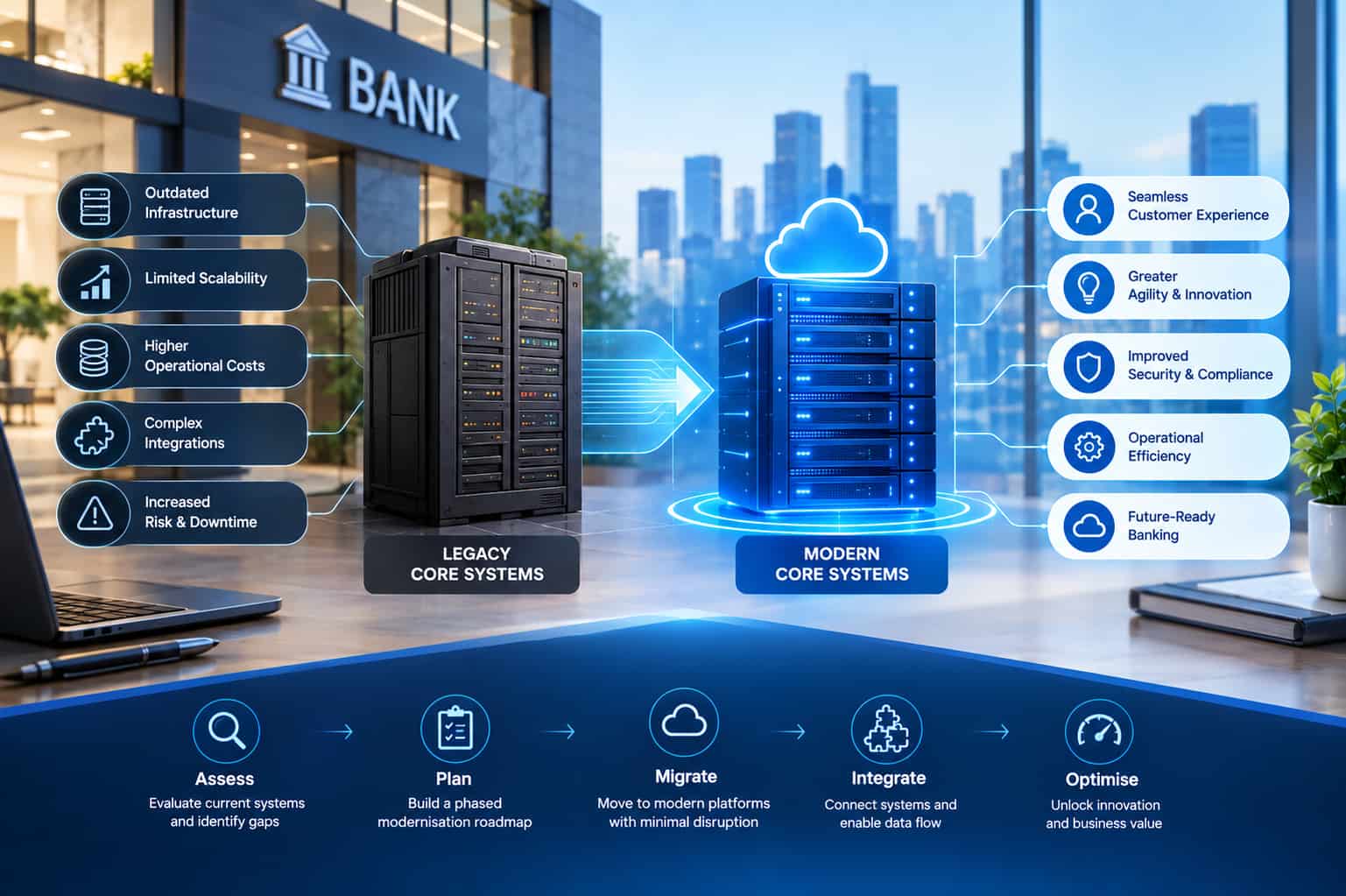
How Banks Can Modernise Core Systems Without Disrupting Critical Banking Operations
Banking customers expect digital services to be fast, connected, and available across channels. At the same time, many financial institutions continue to depend on legacy banking systems that were designed for a very different technology environment. The challenge is that replacing these systems is rarely straightforward. Core platforms support critical functions such as accounts, transactions, payments, customer data, lending, and regulatory processes. A poorly planned transformation can therefore introduce operational, data, security, and compliance risks.
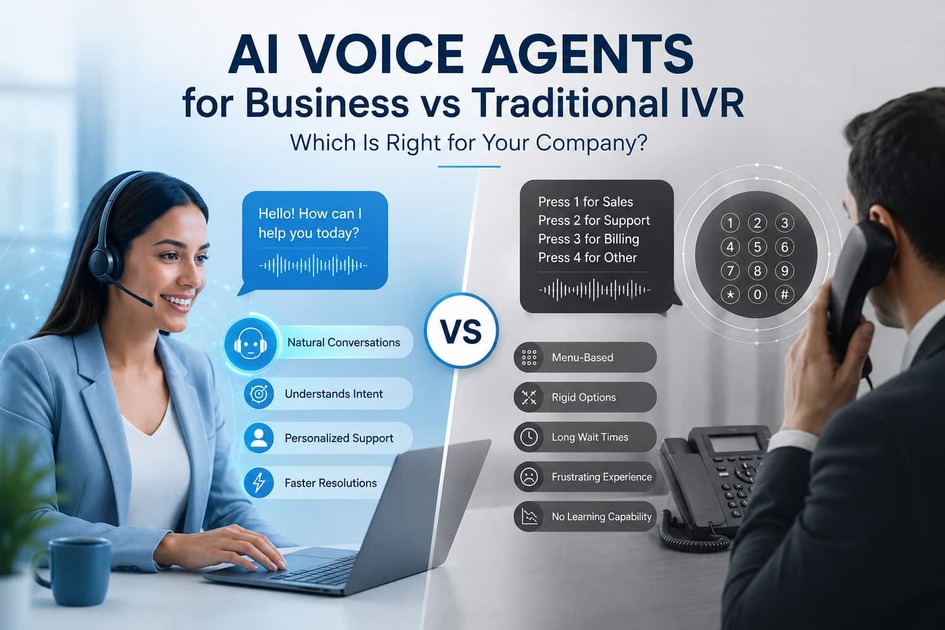
AI Voice Agents for Business vs Traditional IVR: Which Is Right for Your Company?
Customer calls remain an important business channel, but the way organizations manage those conversations is changing. Traditional Interactive Voice Response (IVR) systems can route callers through predefined menus, while modern AI voice agents for business can understand spoken requests, maintain conversational context, access business systems, and respond dynamically.
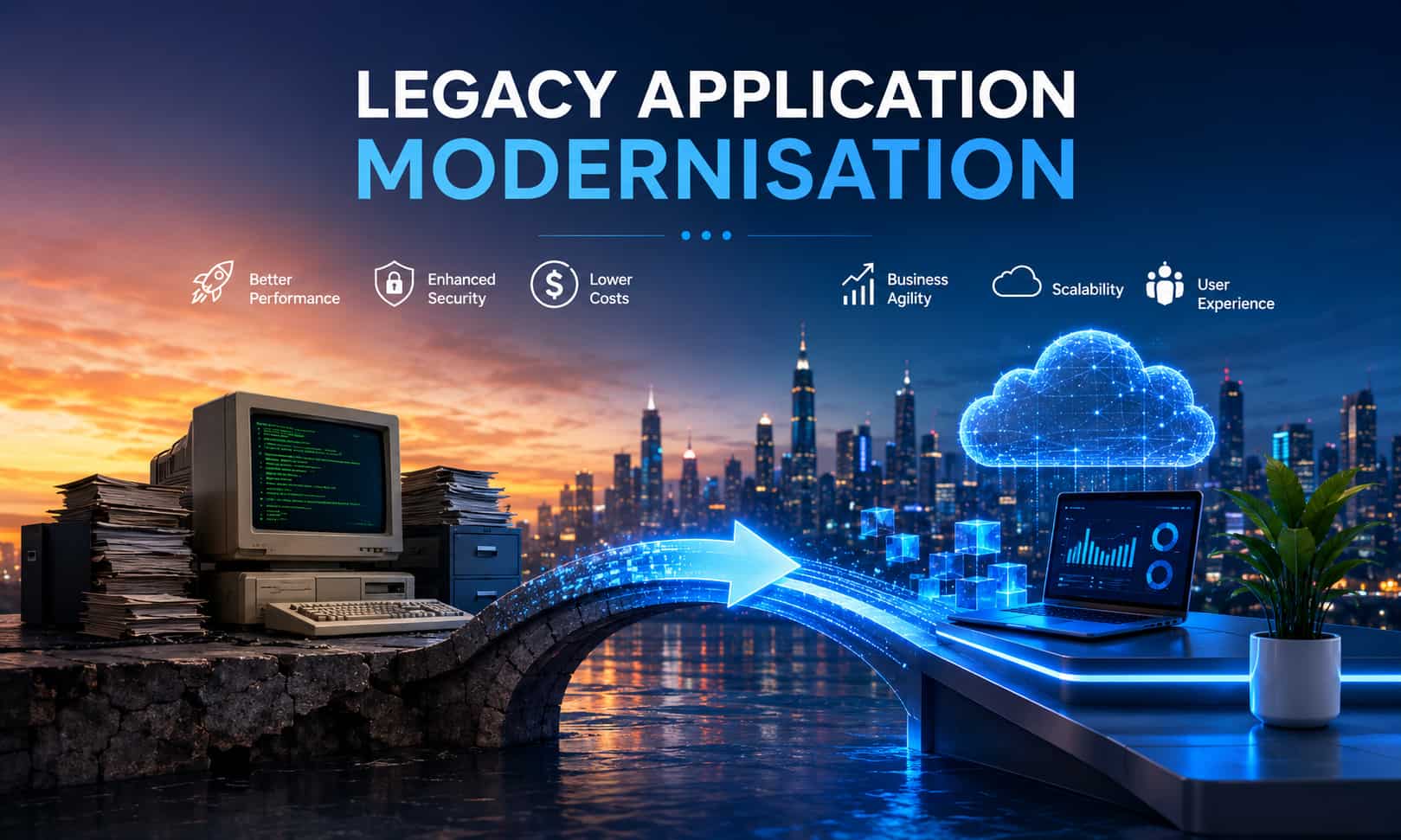
Legacy Application Modernisation: Costs, Benefits, and Key Considerations
Legacy applications are often at the center of critical business operations. They may support finance, supply chains, customer services, manufacturing, internal workflows, or other essential processes. Yet over time, these systems can become expensive to maintain, difficult to integrate, slow to change, and increasingly dependent on outdated technology or specialized skills. The challenge for enterprise leaders is deciding what to do next. Should the organization retain the existing application and improve its infrastructure? Should it move the application to the cloud? Should the system be rearchitected, rebuilt, or replaced entirely?
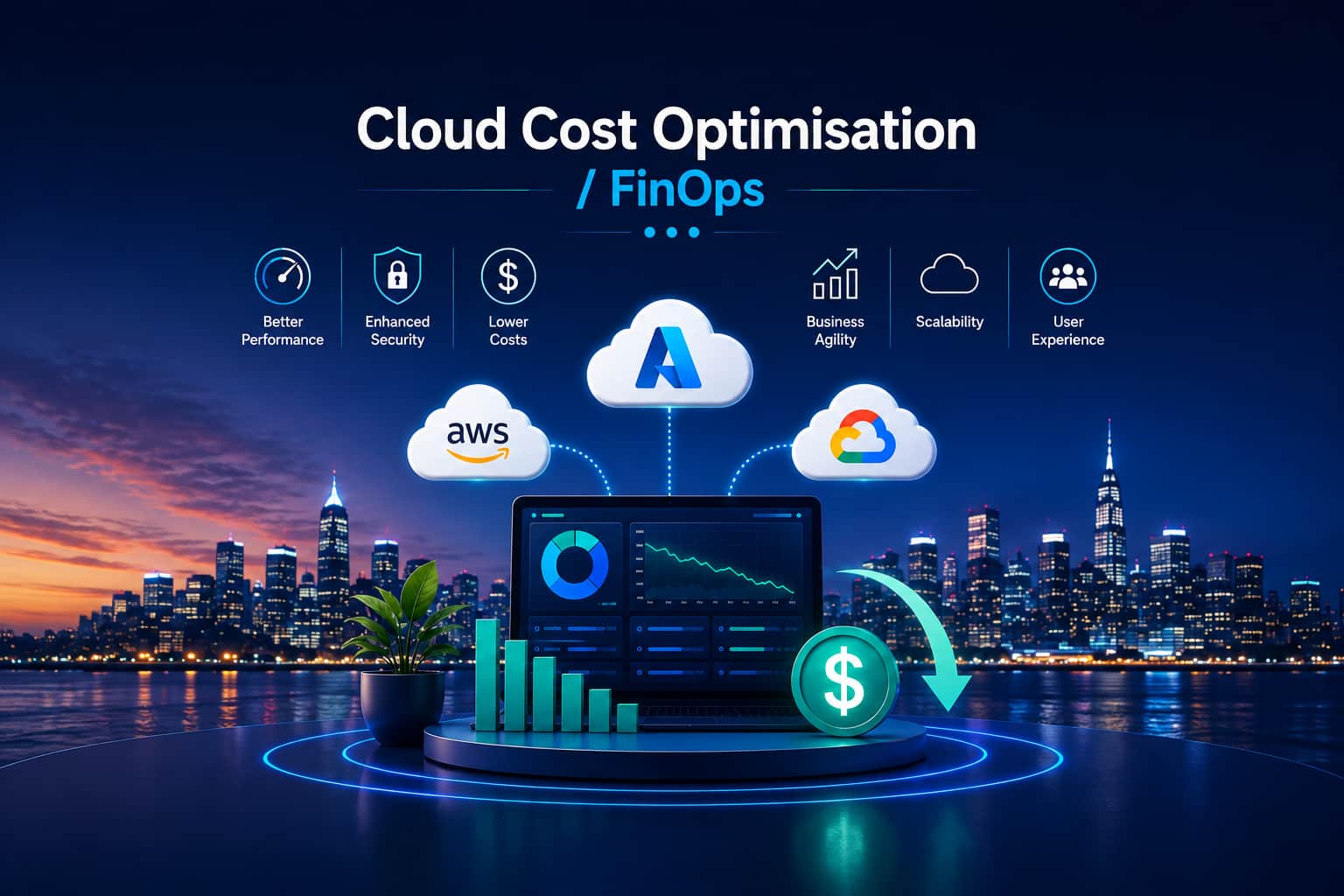
How to Build a Cloud Cost Optimisation / FinOps Strategy for Multi-Cloud Environments
Managing cloud costs becomes significantly more complex when an organization operates across multiple cloud providers. Different pricing models, billing structures, resource configurations, teams, and governance processes can make it difficult to understand where money is being spent and whether that spending is creating business value.
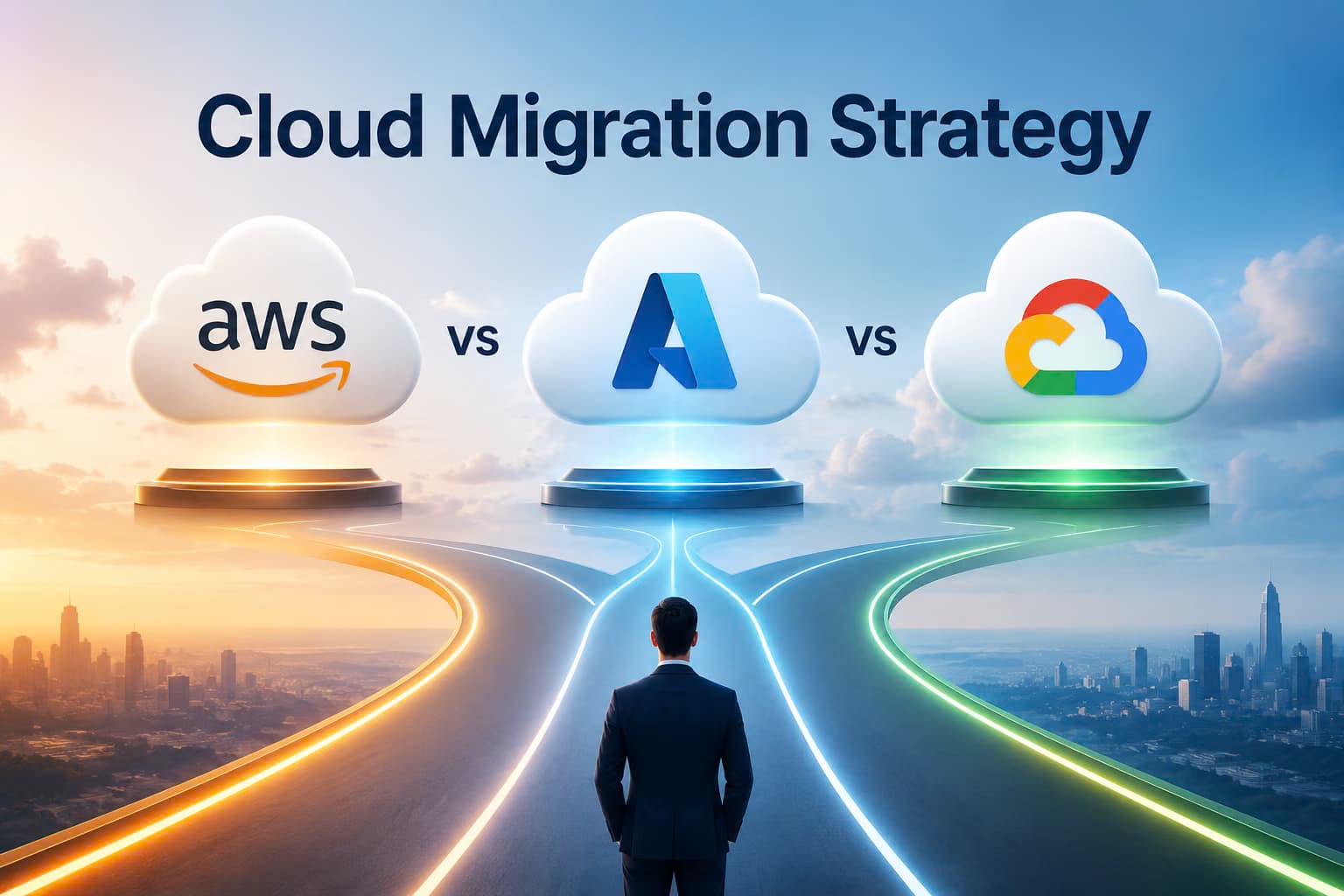
AWS vs Azure vs Google Cloud: What Should You Consider When Migrating?
Cloud migration is no longer simply an infrastructure decision. For most businesses, it affects application architecture, data management, security, operating costs, scalability, innovation capabilities, and long-term technology strategy.
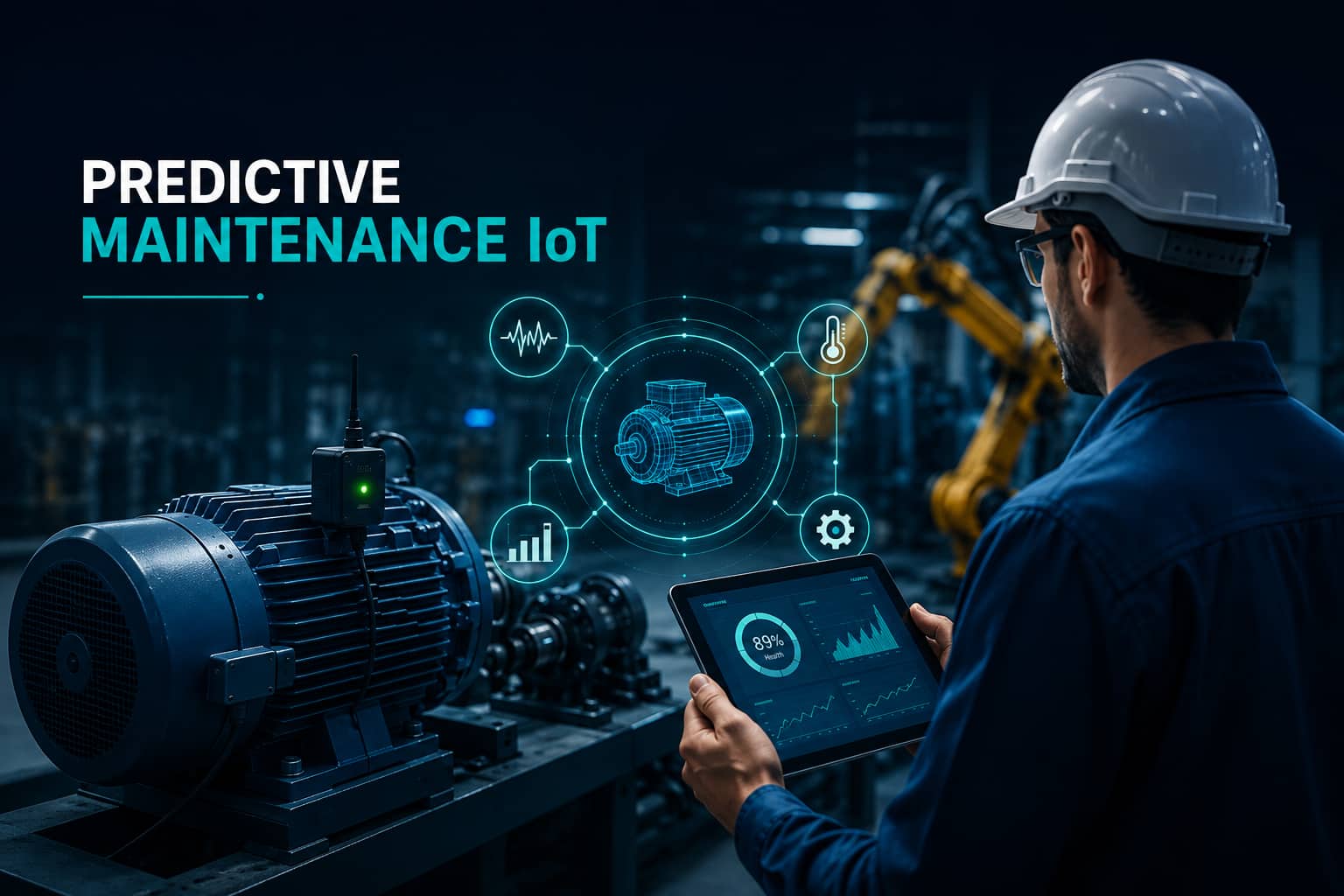
How AI and IoT Work Together for Predictive Maintenance
Unexpected equipment failures can quickly disrupt production, increase maintenance costs, delay deliveries, and affect customer satisfaction. For businesses that depend on machinery, industrial equipment, or connected assets, reacting to failures after they happen is no longer enough.

What to Consider Before Investing in Computer Vision for Manufacturing
Manufacturers are under constant pressure to improve product quality, reduce waste, increase production efficiency, and respond faster to operational issues. Traditional manual inspection can struggle to keep pace with high-volume production, especially when quality decisions depend on speed, consistency, and close attention to detail.
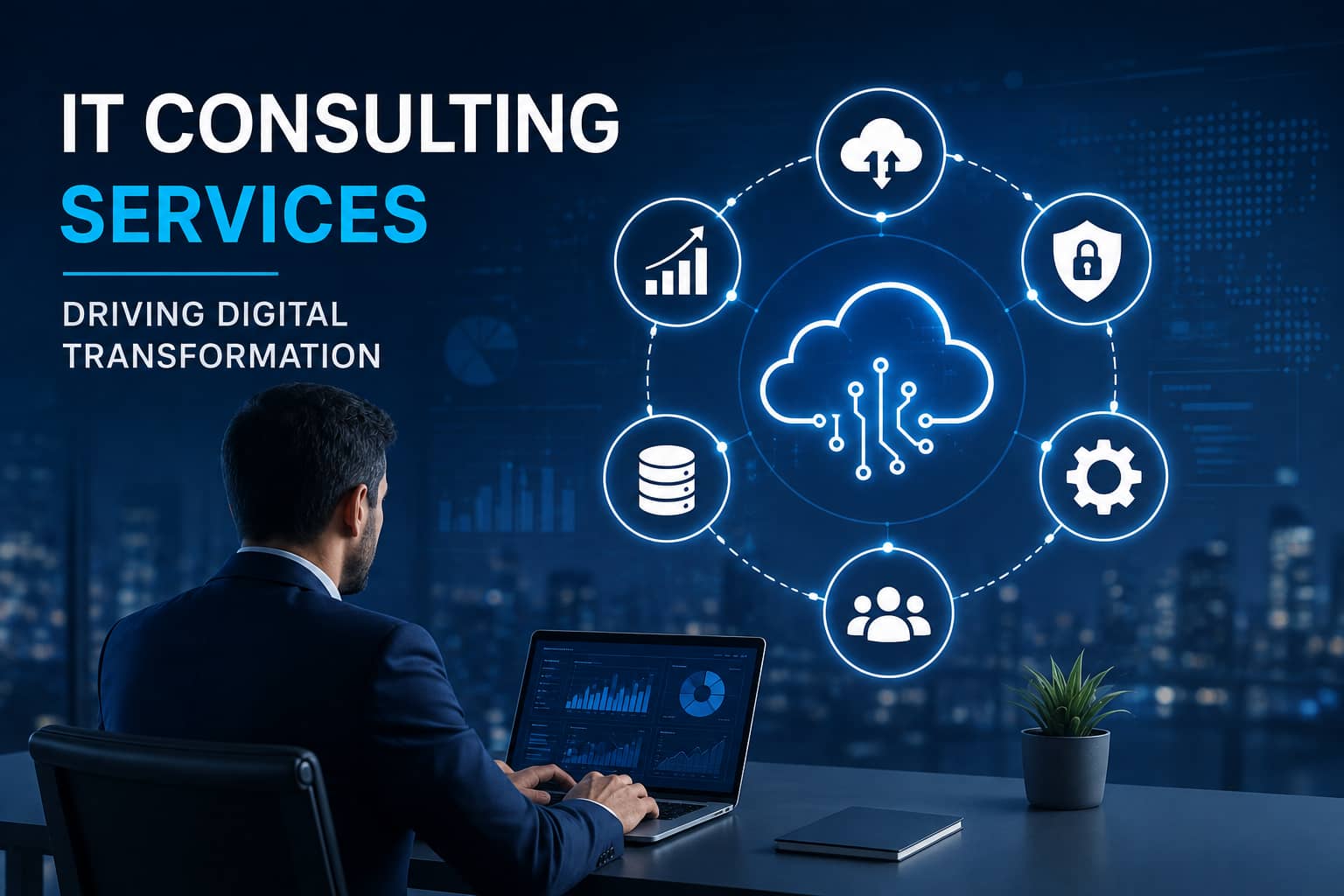
IT Consulting Services: A Complete Guide to Digital Transformation
Digital transformation has become an important priority for businesses looking to improve efficiency, modernize operations, and remain competitive. However, adopting new technologies without a clear strategy can create unnecessary costs, security risks, and operational challenges.
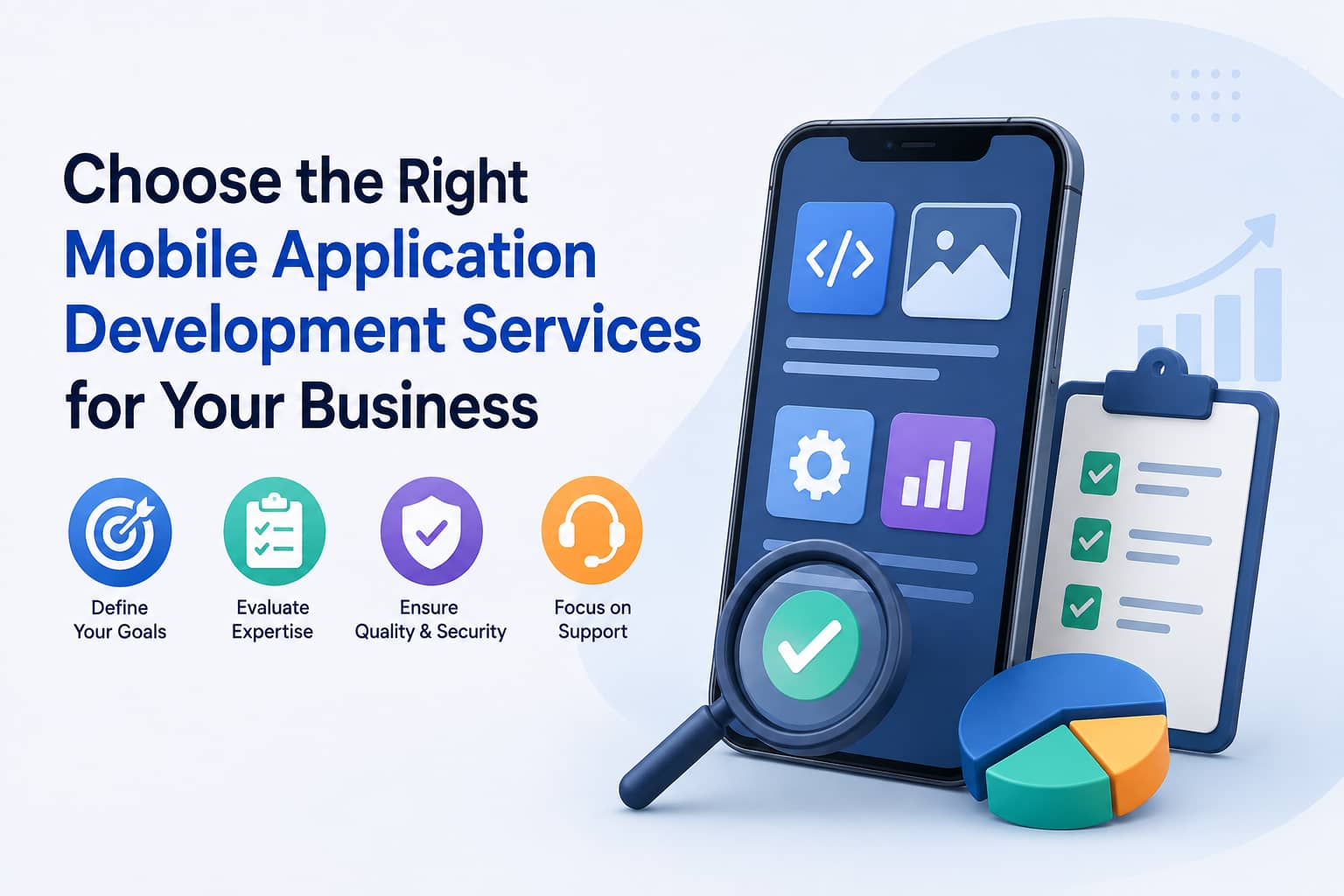
How to Choose the Right Mobile Application Development Services for Your Business
Mobile apps have become an important part of how businesses connect with customers, streamline operations, and generate revenue. However, building a successful app requires more than just a good idea. Choosing the right mobile application development services can directly impact your app's performance, security, scalability, and long-term success.
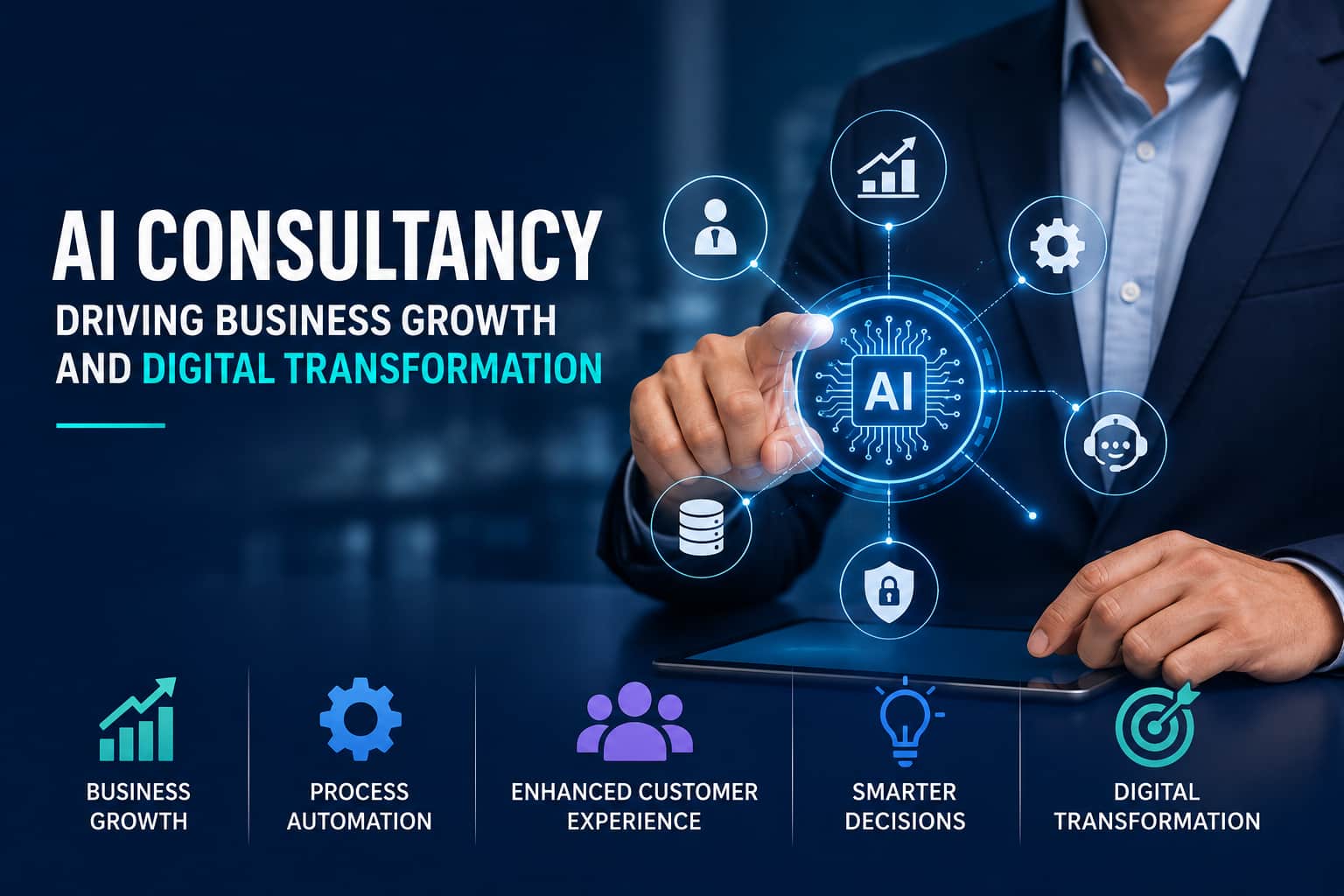
How Artificial Intelligence Consultancy Can Drive Business Growth and Digital Transformation
Artificial intelligence is no longer just an emerging technology reserved for large technology companies. Businesses across industries are using AI to automate processes, improve decision-making, enhance customer experiences, and identify new growth opportunities.
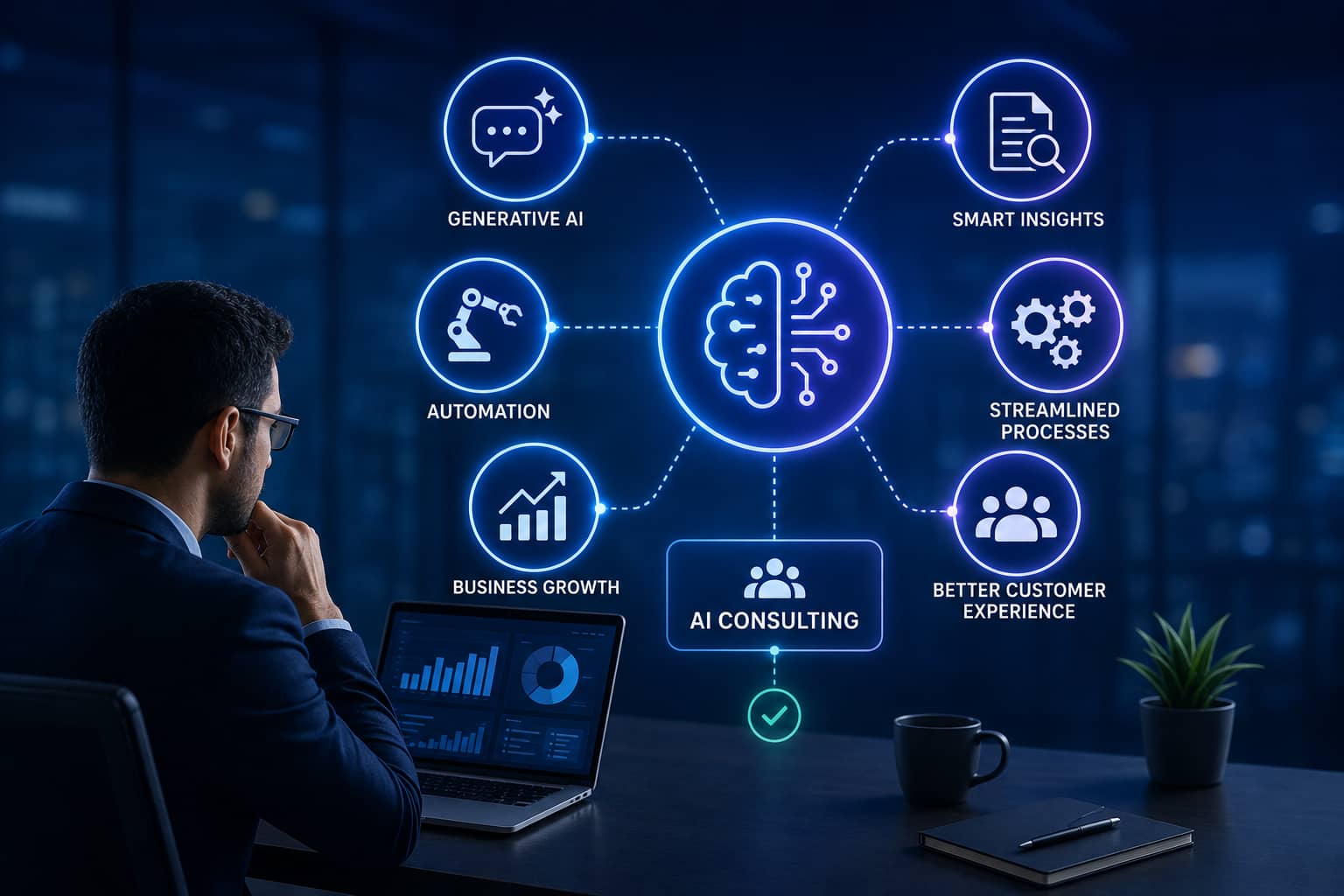
How AI Consulting Helps Businesses Adopt Generative AI and Automation
Artificial intelligence has moved from an experimental technology to an important business capability. Organizations are increasingly exploring generative AI, intelligent automation, machine learning, and AI-powered analytics to improve productivity, reduce operational effort, and deliver better customer experiences.
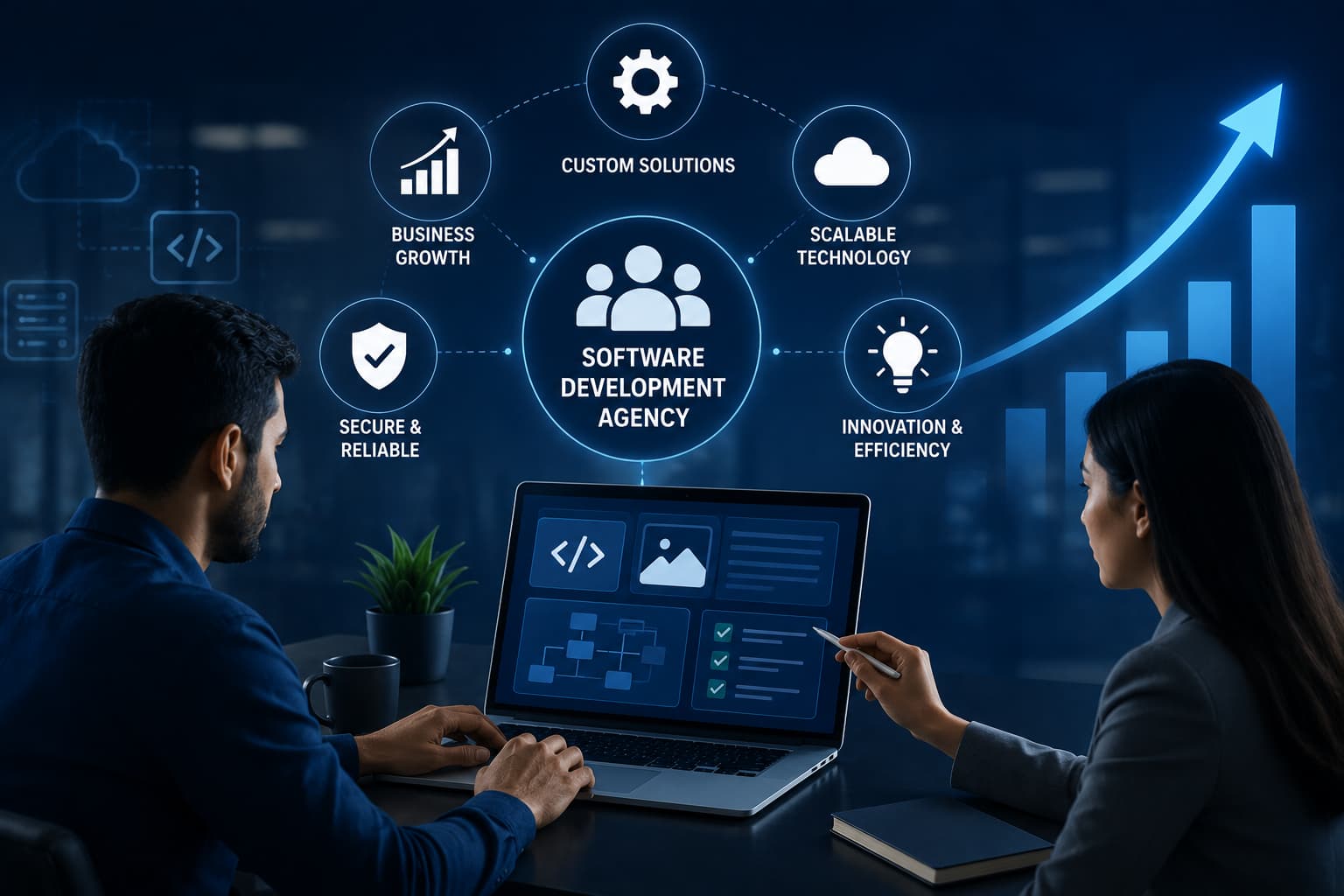
How a Software Development Agency Supports Digital Transformation and Business Growth
Digital transformation has become a strategic priority for businesses looking to improve efficiency, respond to changing customer expectations, and remain competitive. However, successful transformation requires more than purchasing new technology. Businesses need reliable software, connected systems, scalable infrastructure, and digital solutions that support their long-term objectives.
Have a Technical Challenge Worth Discussing?
Our practice leads are happy to talk through your specific situation , with no sales pitch required.